Simple Skincare: Is It Truly Cruelty Free?
is the brand simple cruelty free

Understanding Cruelty-Free
Before we dive into Simple's practices, let's clarify what "cruelty-free" means. A cruelty-free brand is one that does not test its products or ingredients on animals at any point during production. This includes third-party testing and ensuring that suppliers are also free from animal testing.
Why Cruelty-Free Matters
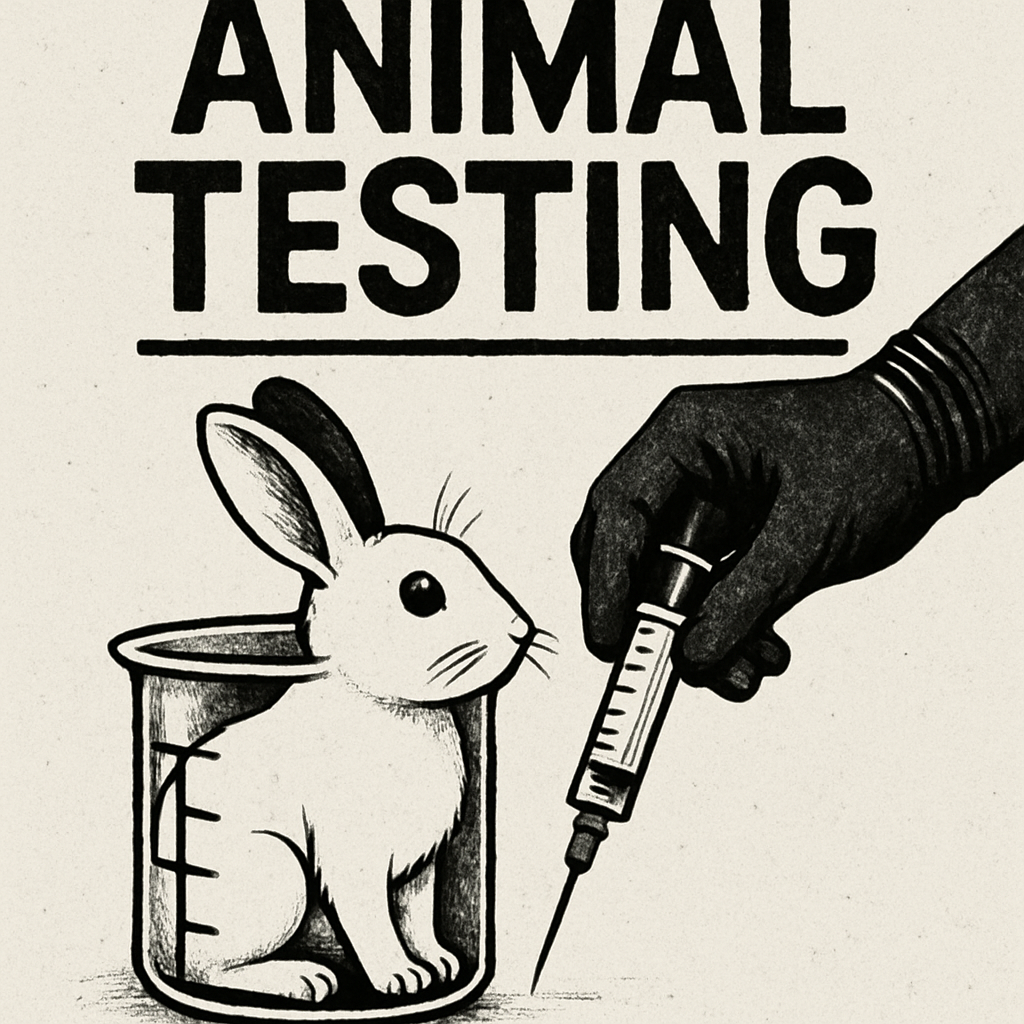
Does Simple Test on Animals ?
One of the most direct ways to find out if a brand is cruelty-free is by checking if they conduct animal testing. According to Simple's official statements, they claim not to test their products on animals. However, the situation is more complex when considering international markets and third-party involvement.
Simple's Official Statement
Simple states on their website, "We do not test on animals anywhere in the world and are certified cruelty-free by PETA." This is a strong indication that the brand is committed to avoiding animal testing.
The Role of Parent Companies
Simple is owned by Unilever, a large multinational company. While Simple itself may not test on animals, Unilever has been known to sell products in markets where animal testing is required by law, such as China. This complicates the cruelty-free status for many consumers.
Is Simple Skincare Cruelty-Free Globally?
To answer the question, "Is Simple skincare cruelty-free?" we must consider the global landscape of animal testing laws.
The China Dilemma
In China, imported cosmetics are subject to animal testing by law. This means that if Simple sells in China, their products may be tested on animals, despite the brand's cruelty-free claims elsewhere. However, Simple does not sell in China, which helps maintain their cruelty-free status globally.
Certifications to Look For

Brands that are truly committed to being cruelty-free often seek certifications from organizations such as PETA or Leaping Bunny. These certifications involve rigorous standards and audits to ensure compliance. Simple is certified by PETA, which adds credibility to their cruelty-free claims.
Ethical Considerations for Consumers
When choosing whether to purchase from Simple, consumers may consider several ethical aspects.
Supply Chain Transparency
It's important to consider the transparency of a brand's supply chain. While Simple claims not to test on animals, ensuring that all suppliers and third-party partners adhere to the same standards is crucial for maintaining a truly cruelty-free status.
Alternatives to Animal Testing
There are many alternatives to animal testing that are both ethical and effective. In-vitro testing, computer modeling, and human volunteer studies are just a few examples. Brands that invest in these technologies demonstrate a commitment to cruelty-free practices.
Making Informed Decisions
As a consumer, making informed decisions involves research and critical thinking. Here are some steps you can take:
Research and Verify
Verify cruelty-free claims by checking for certifications and reading up on the brand's policies. Websites like Cruelty-Free Kitty and Ethical Elephant provide up-to-date information on cruelty-free brands.
Consider the Parent Company
While Simple itself may be cruelty-free, Unilever's broader policies may influence your decision. Some consumers choose to avoid brands owned by companies that are not entirely cruelty-free.
Support Truly Cruelty-Free Brands
If animal welfare is a top priority, consider supporting brands that are independently owned and committed to cruelty-free practices across all markets.
Conclusion
In conclusion, Simple claims to be a cruelty-free brand, and their certification by PETA supports this claim. However, the involvement of a parent company like Unilever adds a layer of complexity. While Simple does not sell in markets where animal testing is required, such as China, consumers may still want to consider the broader ethical implications.
By researching and choosing products wisely, you can align your purchasing decisions with your values. Whether you decide to support Simple or opt for another cruelty-free brand, your choices contribute to the growing demand for ethical and humane treatment of animals in the cosmetics industry.
Shop here Oriflame UK Brand partner
Shop here Avon UK representative
Click here for related topics

Comments
Post a Comment