Cosmetic Brands & Animal Testing: Know Before You Buy
cosmetic brands that test on animals
In the world of beauty and skincare, consumers are becoming increasingly conscious of the ethical practices of the brands they choose. With the plethora of information available today, people are more informed than ever about the impacts of their purchasing decisions. One of the most debated topics in this industry is animal testing. This issue not only raises ethical concerns but also sparks discussions about the efficacy and necessity of such practices. While many brands have embraced cruelty-free practices, some still conduct animal testing. This article will explore which cosmetic brands test on animals and what it means for consumers looking to make ethical choices. Understanding these practices can help consumers align their purchases with their values and contribute to the global push for more humane standards in the beauty industry.
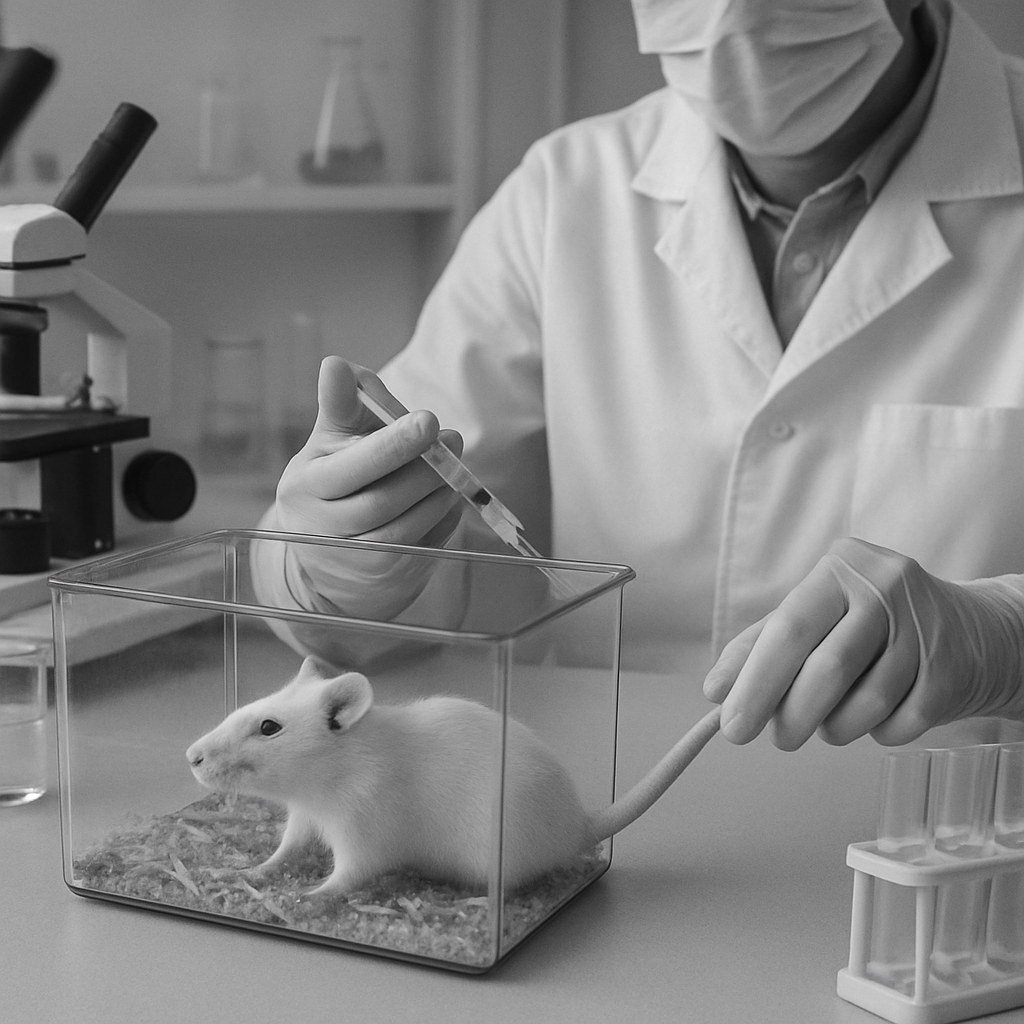
Why Do Some Brands Still Test on Animals?
Despite the availability of cruelty-free testing methods, some brands continue to test on animals. This is often due to regulatory requirements in certain countries, such as China, where animal testing is mandatory for imported cosmetics. These regulations create a dilemma for brands that wish to maintain their presence in lucrative markets while adhering to ethical standards elsewhere. Brands looking to expand their market may comply with these regulations to sell their products. They often face the difficult choice of either participating in these practices to gain access to certain markets or missing out on potential revenue. Additionally, some companies may lack awareness or resources to implement alternative testing methods, perpetuating the cycle of animal testing.
The Rise of Cruelty-Free Alternatives
The demand for cruelty-free products has surged over the past decade. This shift is largely driven by consumers who are more informed and passionate about animal welfare issues. Consumers are more informed and are actively seeking products that align with their ethical beliefs. As a result, many brands have adopted cruelty-free practices, recognizing the commercial and ethical benefits of doing so. Organizations like Leaping Bunny and PETA provide certification for these products, offering consumers a reliable way to identify cruelty-free brands. This certification not only serves as a badge of honor for brands but also helps them build trust and loyalty with their customer base. The rise in cruelty-free alternatives highlights the growing influence of consumer advocacy and the potential for positive change in the industry.
Brands Known for Animal Testing

1. L'Oréal
L'Oréal is one of the largest cosmetic companies globally, and while they claim to be committed to ending animal testing, they still sell products in markets that require it, such as China. The company's dual stance on animal testing has drawn criticism, as they promote their cruelty-free efforts in regions where it's beneficial while complying with mandatory testing laws elsewhere. Despite their investment in alternative testing methods and advocacy for global regulatory changes, their continued presence in markets with mandatory animal testing laws remains a point of contention for ethical consumers.
2. Estée Lauder
Estée Lauder owns several brands that are sold in China, where animal testing is mandatory. The company has faced criticism for this, despite its efforts to support alternative testing methods. Their commitment to developing non-animal testing methods is commendable, yet their participation in markets requiring animal testing presents a complex ethical dilemma. Consumers often find themselves questioning the sincerity of the brand's commitment to cruelty-free practices when their actions seem contradictory.
3. MAC Cosmetics
MAC, a popular makeup brand under the Estée Lauder umbrella, is often in the spotlight for its animal testing practices. While MAC does not test on animals in the U.S., its products sold in China are subject to animal testing. This creates a divide in consumer perception, as MAC's cruelty-free stance in certain regions is overshadowed by their compliance with animal testing regulations elsewhere. The brand's global strategy highlights the challenges faced by multinational companies in balancing ethical practices with market demands.
4. Maybelline
Maybelline, owned by L'Oréal, is another brand that sells in countries with mandatory animal testing laws, thereby contributing to animal testing practices. The brand's significant market presence and advertising campaigns often overshadow their involvement in animal testing practices. Consumers who are conscious of animal welfare are increasingly demanding transparency and change from such influential brands.
5. Benefit Cosmetics
Benefit, owned by LVMH, sells products in China and other regions where animal testing is required, despite claiming to be against such practices. The brand's playful and quirky image contrasts sharply with the serious ethical concerns raised by their involvement in animal testing. Benefit’s dual stance highlights the ongoing tension between maintaining market share and adhering to ethical standards.
Understanding the Implications

Choosing products from brands that test on animals has ethical implications. The decision to purchase from these brands can perpetuate practices that many consumers find unacceptable. Consumers who oppose animal cruelty should be aware of the brands they support and consider alternatives that align with their values. By making informed choices, consumers can influence the market, encouraging brands to adopt cruelty-free practices.
The Impact on Brand Reputation
Brands that test on animals face backlash from consumers and activists, which can harm their reputation. In an age where information is readily accessible, negative publicity can spread quickly, impacting sales and brand loyalty. As awareness grows, more consumers are opting for cruelty-free products, influencing the market and encouraging brands to change their practices. This shift in consumer behavior is not only an ethical stance but also a strategic business move for brands looking to maintain relevance and appeal.
Regulatory Challenges
Navigating regulatory requirements in different countries is a significant challenge for brands. The complexity of international markets means that companies must adapt their strategies to comply with varying laws. Companies must decide whether to comply with mandatory animal testing laws or forego entering specific markets. This decision often involves weighing potential profits against ethical considerations and consumer expectations. As regulatory landscapes evolve, brands must remain agile and proactive in their approach to animal testing and cruelty-free initiatives.
How to Identify Cruelty-Free Brands
With the growing interest in cruelty-free products, identifying which brands do not test on animals has become easier. This awareness empowers consumers to make choices that align with their values. Here are some tips for discerning consumers:
Look for Certification
Organizations like Leaping Bunny and PETA certify products as cruelty-free. These certifications are recognized globally and serve as a trustworthy indicator of a brand's commitment to ethical practices. Look for their logos on packaging to ensure the product meets cruelty-free standards. These certifications not only simplify the decision-making process for consumers but also hold brands accountable to maintain high ethical standards.
Research Brand Policies
Visit brand websites and read their animal testing policies. Transparency is key, and many companies provide detailed information about their practices and efforts toward cruelty-free alternatives. Many companies provide transparency about their practices and efforts toward cruelty-free alternatives. Understanding a brand's stance on animal testing can guide consumers in making informed purchasing decisions, fostering a more ethical marketplace.
Use Cruelty-Free Databases
Several online databases list cruelty-free brands, making it easier to find ethical products. These databases are regularly updated and provide comprehensive information about brand policies and certifications. Websites like Cruelty-Free Kitty and Ethical Elephant are valuable resources for informed consumers. By utilizing these resources, consumers can stay up-to-date with the latest developments in cruelty-free cosmetics and support brands that prioritize animal welfare.
The Future of Animal Testing in Cosmetics
The movement towards cruelty-free cosmetics continues to gain momentum. As consumer demand for ethical products grows, the industry is witnessing a paradigm shift. With increased consumer awareness and advocacy, more brands are likely to adopt ethical practices. Innovations in alternative testing methods also promise to reduce and eventually eliminate the need for animal testing. The future of cosmetics is one that embraces compassion, science, and consumer empowerment.
Technological Advancements
Advancements in technology, such as in vitro testing and computer models, offer reliable alternatives to animal testing. These innovations not only address ethical concerns but also enhance the accuracy and efficiency of testing processes. These methods are not only humane but also often more effective and cost-efficient. As technology continues to evolve, the reliance on animal testing is expected to diminish, paving the way for a cruelty-free industry.
Global Regulatory Changes
There is a growing push for regulatory changes worldwide to eliminate mandatory animal testing. Advocacy groups and ethical consumers are at the forefront of this movement, driving legislative changes and industry standards. The European Union, for example, has banned animal testing for cosmetics, setting a precedent for other regions. As more countries consider similar bans, the global landscape of cosmetic testing is poised for significant transformation.
Conclusion
Choosing products from brands that do not test on animals is a powerful way for consumers to express their values and contribute to a more ethical beauty industry. This choice reflects a commitment to animal welfare and supports the growing demand for compassionate and innovative products. As awareness and demand for cruelty-free products increase, the landscape of cosmetic testing is likely to change significantly. By staying informed and making conscious choices, consumers can drive the movement towards a cruelty-free future in cosmetics. The collective action of informed consumers has the potential to reshape the industry, fostering a more humane and sustainable approach to beauty.
Shop here Oriflame UK Brand partner
Shop here Avon UK representative
Click here for related topics

Comments
Post a Comment