Best Face Wash Recommendations for Every Skin Type
what face wash should i use
Choosing the right face wash is a crucial step in your skincare routine. With countless options available, it's easy to feel overwhelmed. This guide will help you determine the best face wash for your unique skin type and needs.
We'll explore various skin types, common ingredients in facial cleansers, and how to find the right balance between cleansing and moisturizing. By the end, you'll know exactly what to look for in a face wash that suits you perfectly.

Oily Skin
Oily skin is characterized by excess sebum production, leading to a shiny appearance and enlarged pores. If your skin feels greasy and is prone to acne, you'll want a cleanser that can control oil without over-drying your skin. It's crucial to look for ingredients like salicylic acid, which can penetrate deep into the pores to clear out excess oils. Moreover, ensure your cleanser is non-comedogenic to prevent clogged pores.
Choosing a gel-based cleanser can be particularly beneficial for oily skin, as these tend to be lightweight and effective at removing oil. Regular exfoliation, about twice a week, is also recommended to keep skin clear of excess oil and dead skin cells. However, be mindful not to over-exfoliate, as this can lead to irritation and increased oil production.
Dry Skin
Dry skin often feels tight, rough, or flaky. It lacks moisture, making it sensitive and sometimes causing irritation. For dry skin, look for a hydrating cleanser that provides moisture while gently cleansing. Ingredients like hyaluronic acid and glycerin are excellent for attracting and retaining moisture in the skin.
Cream cleansers are often the best choice for dry skin, as they cleanse without stripping the skin of its natural oils. It's essential to follow up with a rich moisturizer to lock in hydration. Consider incorporating a hydrating serum into your routine for an extra boost of moisture.
Combination Skin
Combination skin is a mix of oily and dry areas, typically with an oily T-zone (forehead, nose, and chin) and dry cheeks. The goal is to find a balanced cleanser that addresses both oily and dry areas. Look for a gentle, foaming cleanser that can effectively clean the T-zone without drying out other areas.
You may need to use different products for different parts of your face. For instance, a lightweight gel moisturizer for the T-zone and a richer cream for the cheeks. Regularly assessing your skin’s needs can help in adjusting your skincare routine to maintain balance.
Sensitive Skin
Sensitive skin reacts easily to products, often resulting in redness, itching, or burning sensations. If you have sensitive skin, opt for a gentle, fragrance-free cleanser with soothing ingredients. Ingredients like aloe vera and chamomile are known for their calming effects.
It's important to patch-test new products to ensure they won't irritate your skin. Choose products with minimal ingredients to reduce the risk of a reaction. Always read labels to avoid potential irritants like alcohol or artificial fragrances, which can exacerbate sensitivity.
Normal Skin
Normal skin is balanced, with neither excess oil nor dryness. It's less prone to breakouts and reactions. Those with normal skin can enjoy a wider range of cleansers but should still aim for gentle formulas. A pH-balanced cleanser is ideal for maintaining the skin’s natural barrier.
Even with normal skin, it's important to stay consistent with a skincare routine to maintain skin health. Regular use of sunscreen is essential to protect against environmental damage. Occasionally, using a mild exfoliant can help remove dead skin cells and keep the skin looking fresh.
Key Ingredients to Look For
Salicylic Acid
Salicylic acid is excellent for oily and acne-prone skin. It penetrates deep into pores, helping to clear out excess oil and dead skin cells, reducing the chances of breakouts. This beta hydroxy acid (BHA) also has anti-inflammatory properties, making it effective in reducing redness and swelling.
Regular use of salicylic acid can help prevent future breakouts by keeping pores clear. However, it's important to start with a lower concentration to avoid irritation. As your skin adjusts, you can gradually increase usage to achieve optimal results.
Hyaluronic Acid
Hyaluronic acid is a hydrating powerhouse, perfect for dry and combination skin. It attracts moisture to the skin, helping it stay plump and hydrated. This ingredient can hold up to 1000 times its weight in water, making it incredibly effective for moisture retention.
Incorporating hyaluronic acid into your routine can help smooth fine lines caused by dehydration. It's suitable for all skin types, as it doesn't clog pores or cause breakouts. For best results, apply it to damp skin to enhance its moisture-binding properties.
Glycolic Acid
Glycolic acid is an alpha hydroxy acid (AHA) that exfoliates the skin, promoting cell turnover. It's beneficial for all skin types, but especially for those looking to improve texture and tone. Regular use can lead to a brighter complexion and reduced appearance of fine lines and hyperpigmentation.
When using glycolic acid, it's important to follow up with sunscreen, as AHAs can increase sun sensitivity. Start with a lower concentration to allow your skin to build tolerance. Over time, you can increase usage as part of your regular skincare routine.
Aloe Vera
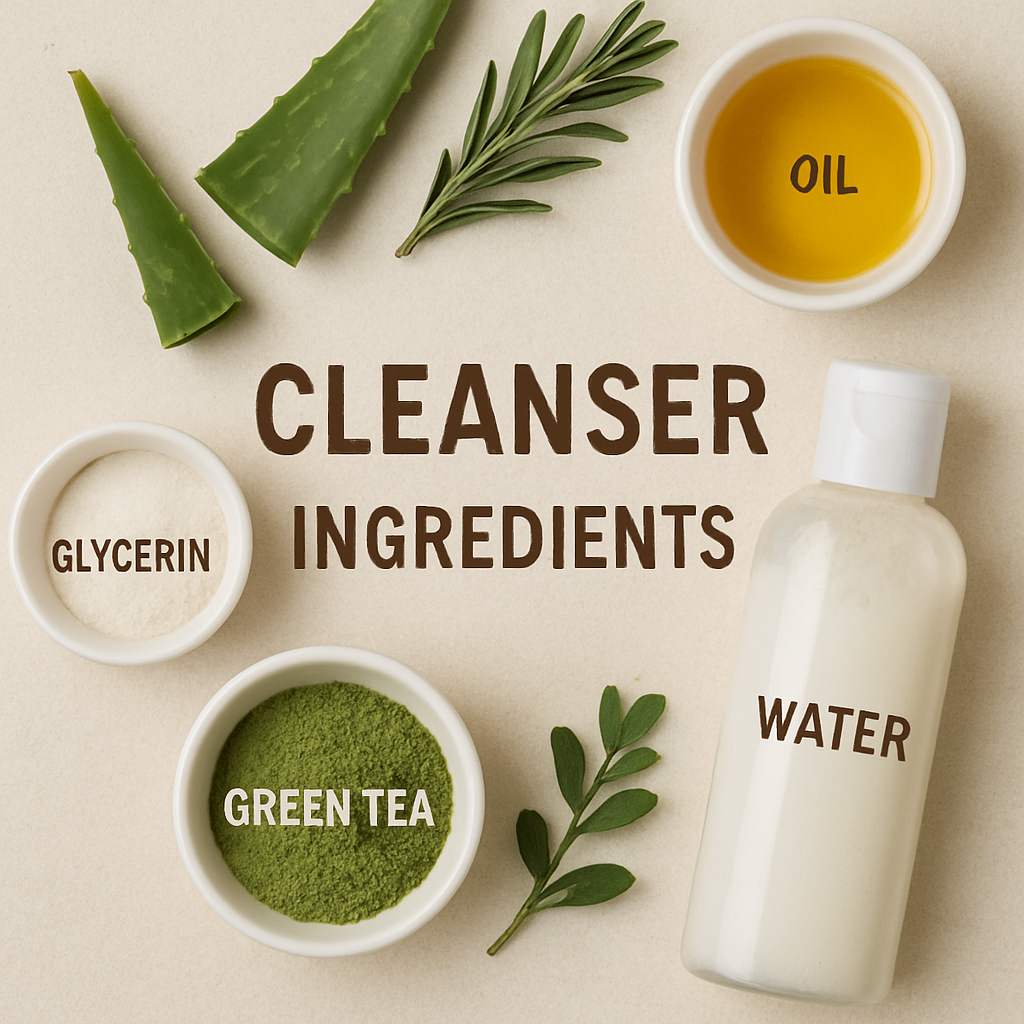
Aloe vera is known for its soothing properties, making it ideal for sensitive skin. It helps calm irritation and provides a gentle cleanse. This natural ingredient is also rich in antioxidants, which help protect the skin from environmental stressors.
Aloe vera can be used in various forms, including gels and creams, for a soothing effect. It's also an excellent after-sun treatment, providing relief from sunburn. Incorporating aloe vera in your skincare routine can enhance your skin's natural healing process.
Tea Tree Oil
Tea tree oil is a natural antiseptic, making it perfect for acne-prone skin. It helps reduce inflammation and bacteria on the skin's surface. This essential oil is known for its ability to combat breakouts without the harsh side effects of chemical treatments.
When using tea tree oil, it’s important to dilute it with a carrier oil to prevent irritation. It can be applied directly to blemishes as a spot treatment. Consistent use can help maintain clear skin and prevent future breakouts.
Finding the Right Balance: Cleanser and Moisturizer
A good skincare routine balances cleansing and moisturizing. Cleansing removes dirt and impurities, while moisturizing replenishes and locks in hydration. Here's how to achieve that balance:
Double Cleansing for Oily Skin
For oily skin, consider a double-cleansing routine. Start with an oil-based cleanser to remove makeup and excess oil, followed by a water-based cleanser to deeply clean pores. This method ensures thorough cleansing without stripping the skin of its natural oils.
Double cleansing can help prevent acne by keeping pores clear of debris and oil. It's important to choose non-comedogenic products to avoid clogging pores. Regular use can lead to a clearer, healthier complexion.
Cream Cleansers for Dry Skin
Dry skin benefits from cream cleansers that hydrate while cleansing. Pair with a rich moisturizer to maintain moisture levels throughout the day. Cream cleansers are gentle, preventing the skin from losing essential lipids.
It's essential to apply moisturizer immediately after cleansing to lock in hydration. Consider using a humidifier in dry environments to prevent moisture loss from the skin. Regular use of hydrating products can significantly improve the skin’s texture and appearance.
Gel Cleansers for Combination Skin
Gel cleansers work well for combination skin, as they provide a deep clean without stripping moisture. Follow with a lightweight moisturizer to keep skin balanced. Gel cleansers are effective at removing oil from the T-zone while keeping cheeks hydrated.
Adjust your skincare routine according to seasonal changes, as combination skin can fluctuate with weather. Using a toner can also help balance oil production and hydration levels. Regular assessment of your skin’s needs can lead to a more tailored and effective skincare routine.
Fragrance-Free Products for Sensitive Skin
Sensitive skin requires gentle products. Choose fragrance-free cleansers and moisturizers with calming ingredients like chamomile or oat extract. These ingredients help soothe and protect the skin from environmental irritants.
It's important to perform a patch test before introducing new products to avoid adverse reactions. Consistent use of calming products can help reduce sensitivity over time. Avoid using too many active ingredients at once to prevent overloading your skin.
Gentle Cleansers for Normal Skin
Normal skin can handle a variety of cleansers. Opt for gentle, pH-balanced formulas that maintain the skin's natural barrier. It's important to maintain a consistent routine to keep skin healthy and radiant.
Regular use of sunscreen is vital to protect against UV damage. Occasionally incorporating exfoliating products can help maintain a smooth texture. Staying hydrated and maintaining a balanced diet also contribute to skin health.
How to Use Facial Cleansers Correctly

Using your face wash correctly is as important as choosing the right one. Follow these steps for effective cleansing:
- Wet Your Face: Start by wetting your face with lukewarm water to open up pores. This helps the cleanser penetrate more effectively. Avoid using hot water, as it can strip the skin of natural oils.
- Apply Cleanser: Dispense a small amount of cleanser into your hands and work it into a lather. Be gentle to avoid irritating the skin, especially if you have sensitive areas. Ensure the cleanser reaches all areas of your face.
- Massage Gently: Use gentle, circular motions to massage the cleanser into your skin for about 30 seconds. This helps to stimulate circulation and ensures thorough cleansing. Pay extra attention to areas prone to oiliness or breakouts.
- Rinse Thoroughly: Rinse with lukewarm water, ensuring all product is removed. Residual cleanser can lead to irritation or breakouts. Double-check areas like the jawline and hairline to ensure no residue is left.
- Pat Dry: Gently pat your face dry with a clean towel. Avoid rubbing, as this can irritate the skin. Using a soft, clean towel helps prevent the transfer of bacteria back onto your skin.
- Moisturize: Immediately follow with a suitable moisturizer to lock in hydration. Apply when the skin is slightly damp to enhance absorption. Choose a moisturizer that complements your skin type for best results.
Conclusion
Choosing the right face wash involves understanding your skin type and knowing which ingredients will best address your needs. By balancing cleansing and moisturizing, you can maintain healthy, vibrant skin.
Remember, the perfect face wash for you should leave your skin feeling clean, refreshed, and comfortable, without any tightness or irritation. With these insights, you're ready to make an informed decision and enhance your skincare routine. Consistency and attentiveness to your skin's needs are key to achieving and maintaining a healthy complexion.
Shop here Oriflame UK Brand partner
Shop here Avon UK representative
Click here for related topics

Comments
Post a Comment